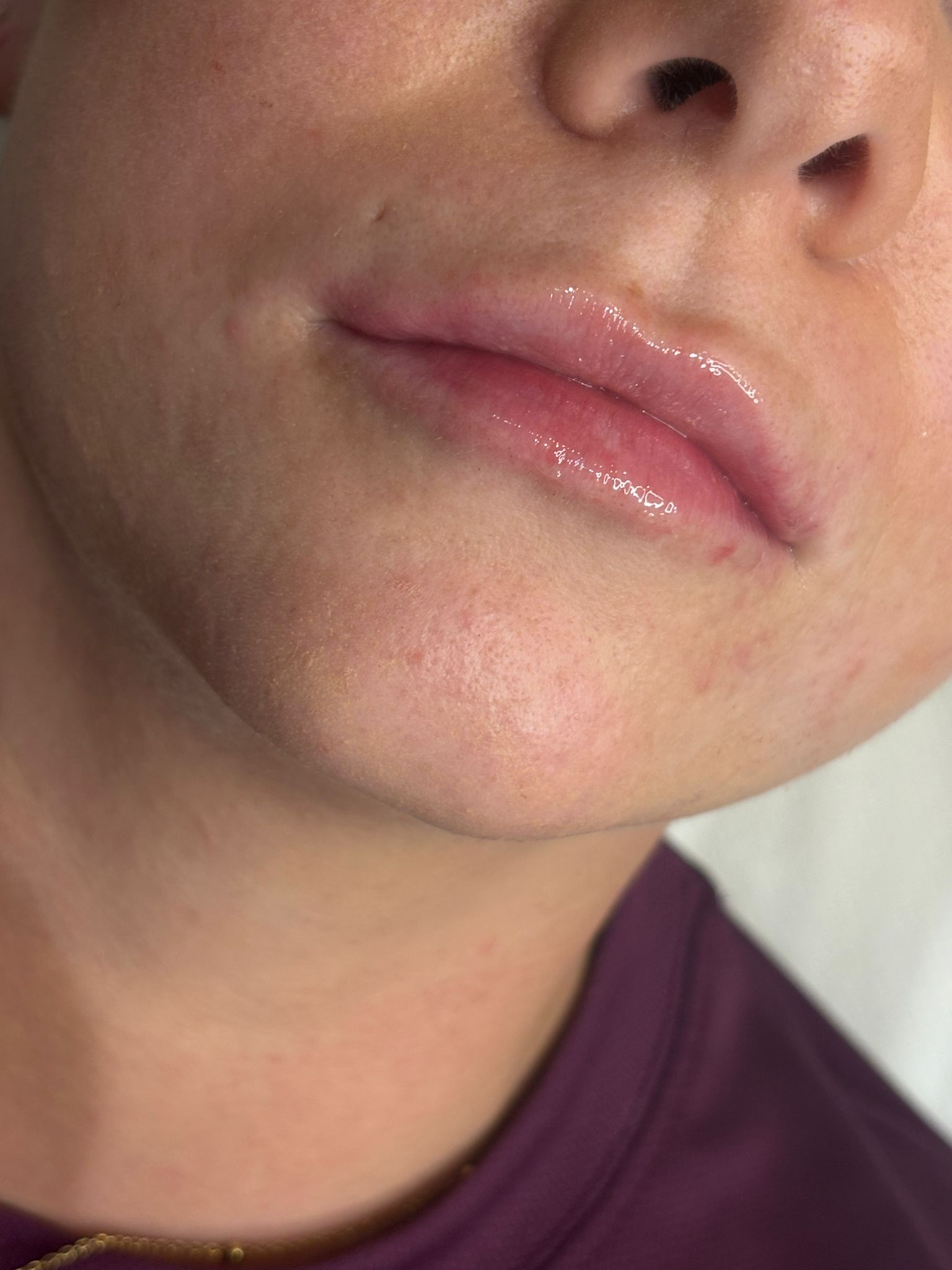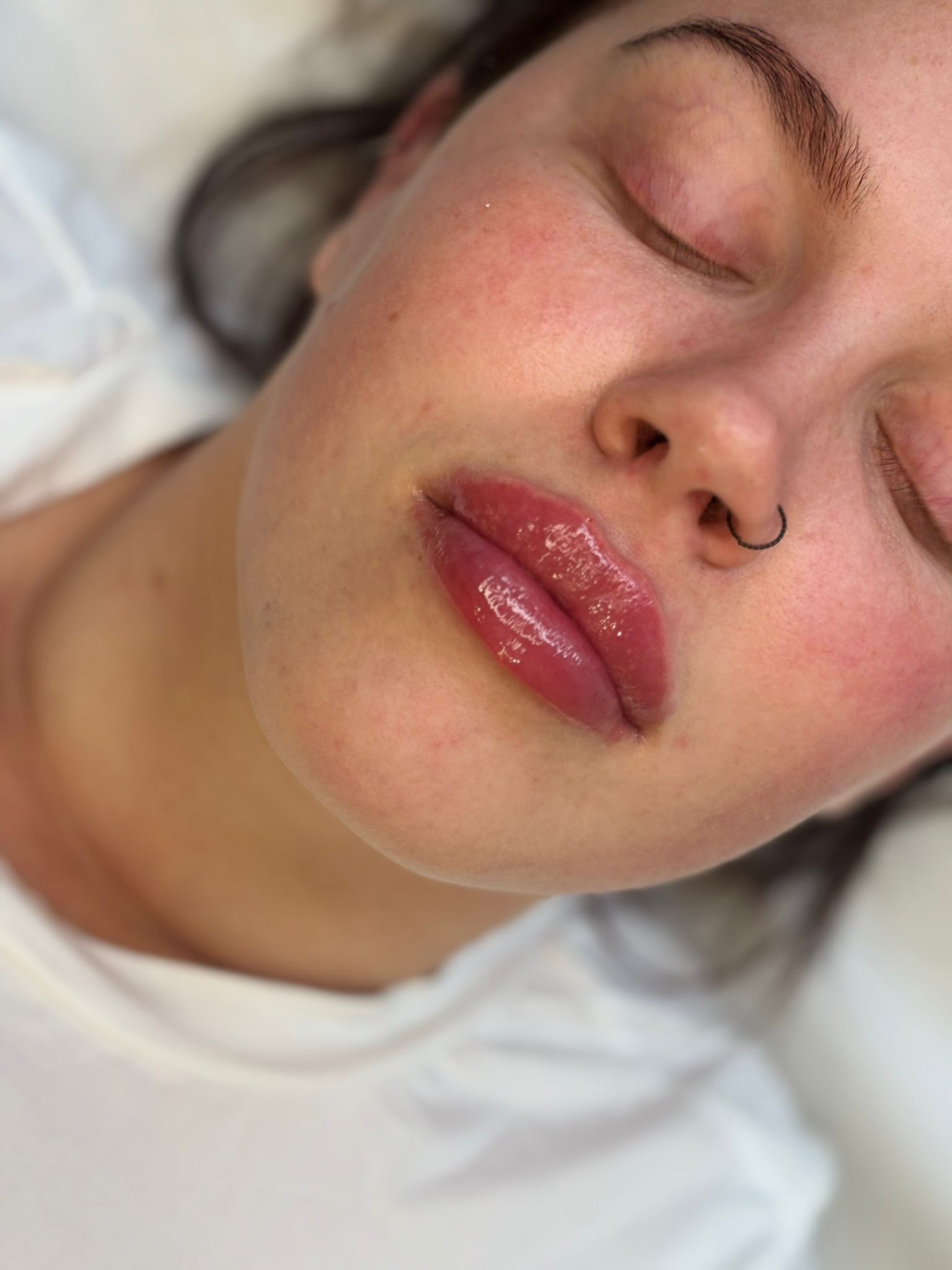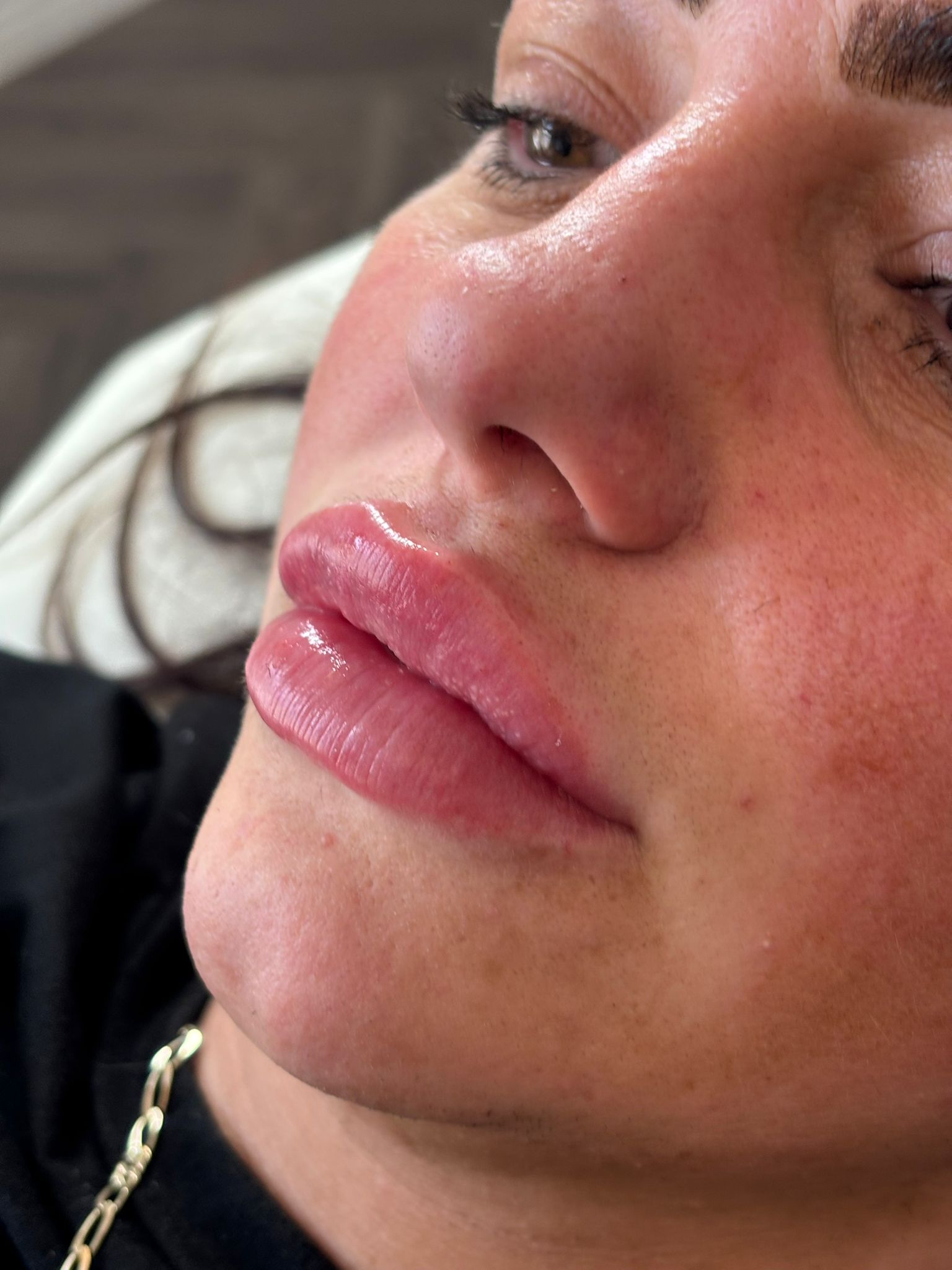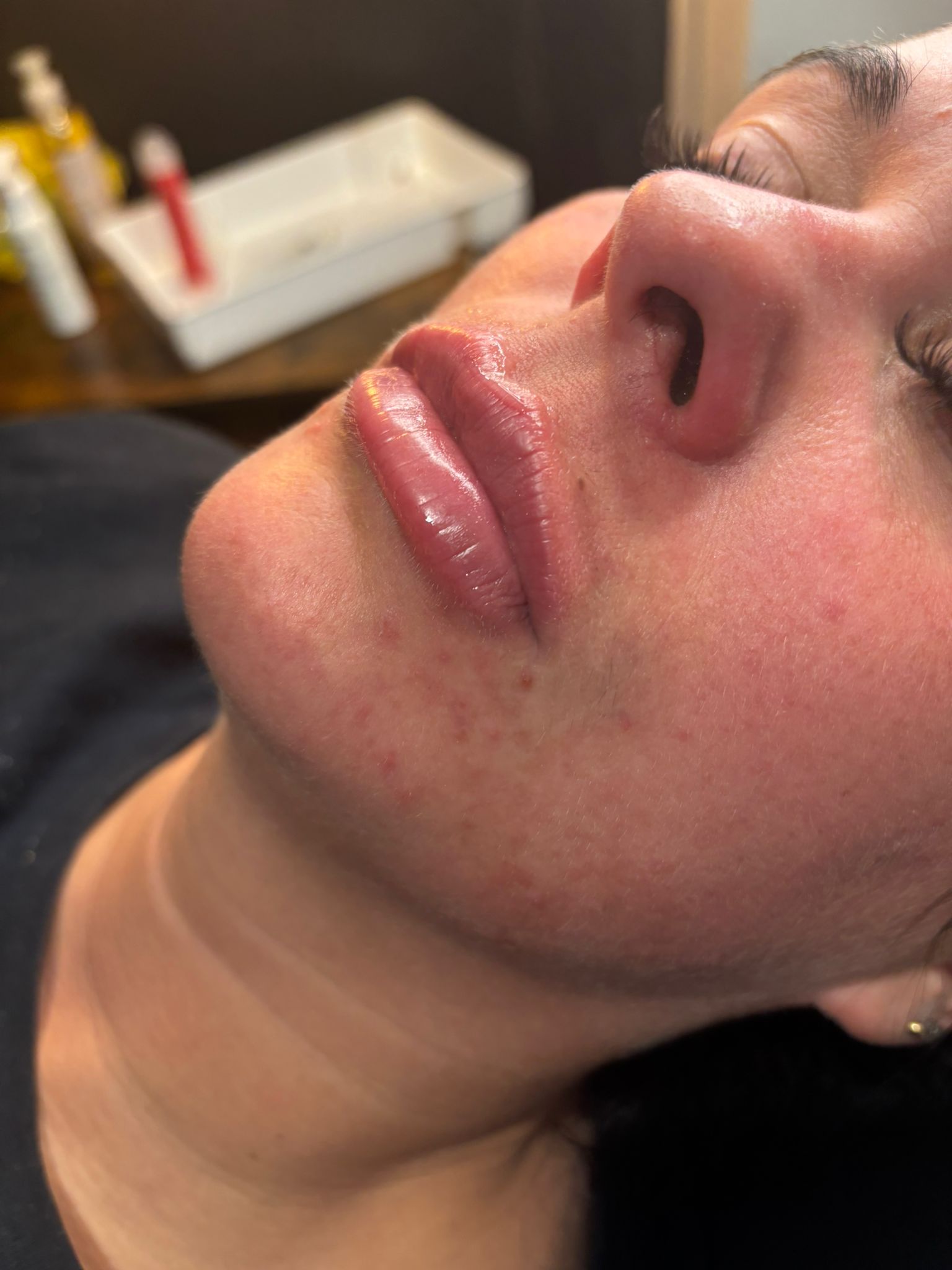
A defined, lifted lip shape
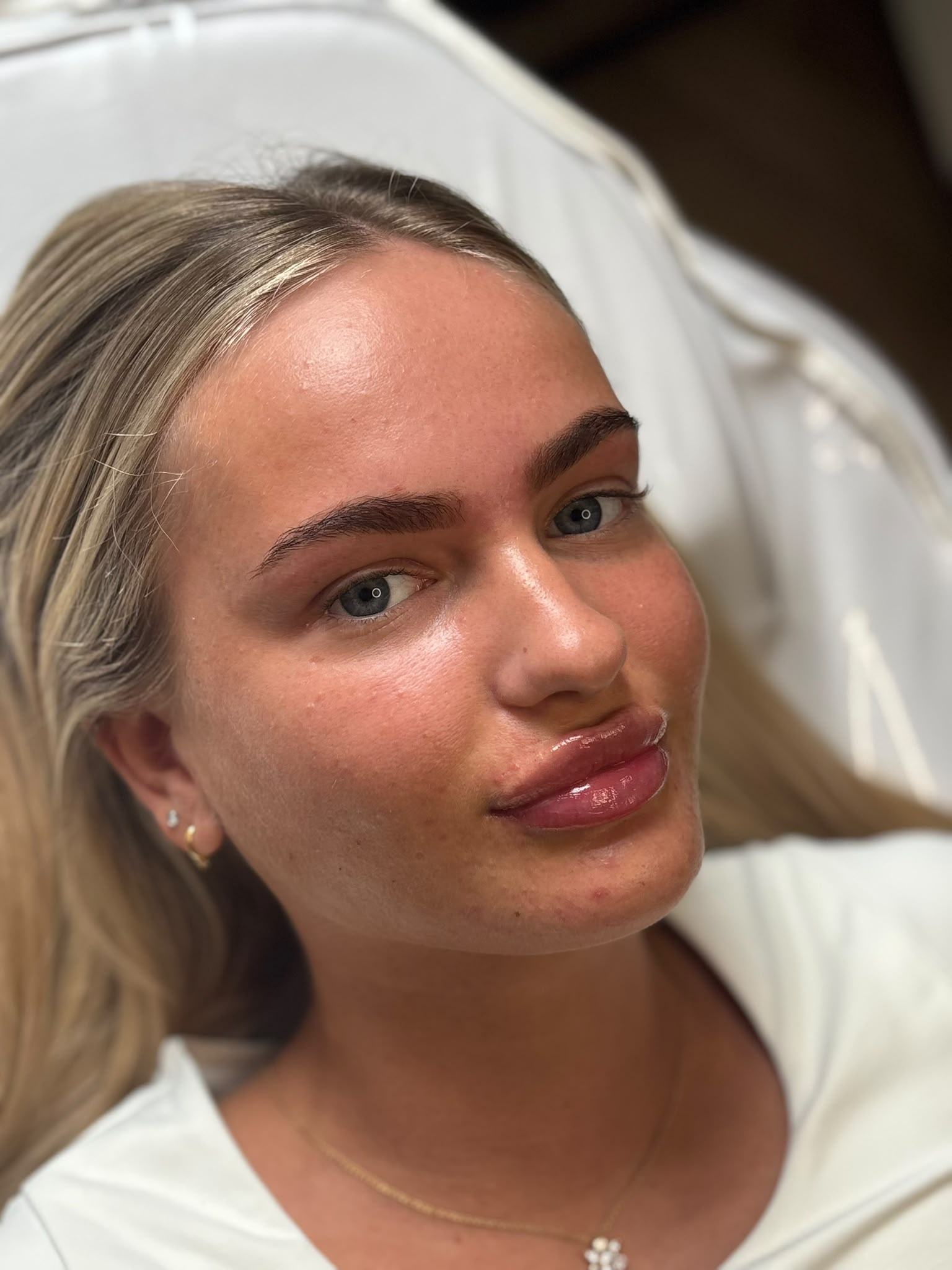
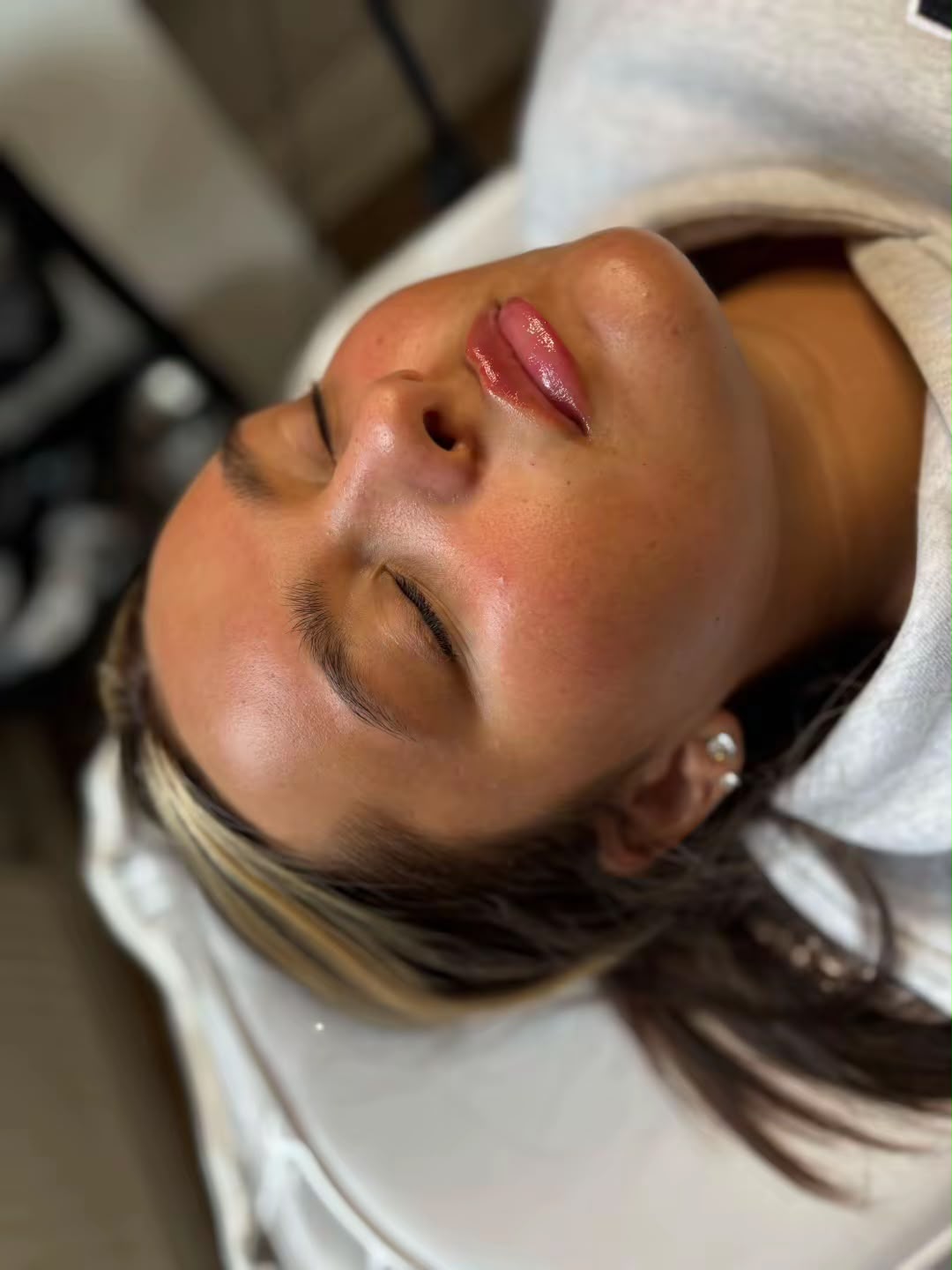
Russian lip filler is a specialist injection technique that uses vertical placements within the body of the lip to lift and define rather than push the lip outward. The result is a flatter, more sculpted lip shape with a more pronounced cupid’s bow and the appearance of a lifted, heart-shaped pout.
It’s a popular choice for clients who want shape and definition more than volume, or who like the doll-like aesthetic the technique creates. The same total volume of filler placed using a Russian technique looks very different from the same volume placed using a classic technique.
How Russian technique differs from classic lip filler
Classic lip filler is placed predominantly along the lip border and through the body of the lip in a way that adds volume outward. The result is a fuller, plumper lip with even hydration.
Russian technique places filler in vertical lines within the body of the lip, working upward toward the lip line. This pushes the lip up rather than out, creating definition along the cupid’s bow and a flatter, sculpted appearance from the side.
Neither is better than the other. They produce different results and suit different aesthetic preferences. We’ll discuss which is right for you at consultation.
What to expect from your treatment
I deliver Russian lip filler using a cannula technique, which tends to result in less bruising than a traditional needle approach. Topical numbing cream is applied beforehand, and the filler used contains a local anaesthetic, which keeps comfort levels high.
Treatment takes around 45 minutes. Some swelling and tenderness are normal for the first few days. Russian lip technique can occasionally produce slightly more initial swelling than a classic approach because of the placement pattern.
Results and timing
An initial result is visible immediately, with the full settled effect usually visible at the two-week mark. Results typically last six to twelve months, often slightly longer than a classic approach because of the structural placement of the filler.
Suitability
Russian lip technique works best on lips that already have a reasonable starting shape and clear definition. It can be less suitable for very thin lips or for lips with significant asymmetry, where a classic approach often gives a more natural result. We’ll assess your starting lip shape at consultation and recommend the technique most likely to give you the result you want.
Price List
Frequently Asked Questions
Is Russian lip filler more painful than classic?
The treatment uses topical numbing cream and filler containing local anaesthetic, so comfort levels are similar to a classic approach. Some clients describe Russian technique as feeling slightly different rather than more painful.
Will my lips look obviously done?
Russian technique produces a more sculpted, defined look than classic filler. Whether this looks natural depends on the volume used and your starting lip shape. With conservative volumes and careful placement, the result can be subtle and elegant.
How long do Russian lip fillers last?
Most clients see results lasting six to twelve months. The structural placement of the filler tends to produce slightly longer-lasting results than a classic approach.
Can I switch from classic to Russian, or vice versa?
Yes. If you’ve previously had classic lip filler and want a Russian look at your next appointment, we can plan this. In some cases existing filler may need to be dissolved first to achieve the right starting point. We’ll discuss this at consultation.
Why is Russian lip filler more expensive?
The technique is more time-consuming and requires a higher level of training and precision. The price reflects this.

You might also be interested in
Soften the lines from nose to mouth
Lift the corners of the mouth
Reset, refresh, or correct previous filler
Lip fillers
Lip fillers can enhance shape, restore volume, and improve symmetry while maintaining a soft, natural finish. As a registered nurse, I take a conservative, personalised approach, ensuring results are balanced and suited to your facial features.